

Taking on a Do-It-Yourself (DIY) home improvement project is one of the most rewarding ways to transform your living environment. It allows homeowners to personalize their spaces, build practical hands-on skills, and save substantial amounts of money on contractor fees. Beyond the financial savings, the sense of accomplishment that comes from completing a home upgrade with your own hands is unmatched. However, successfully navigating the world of DIY requires a thoughtful mix of inspiration, proper planning, safety awareness, and smart execution. Whether you are a beginner looking for quick weekend upgrades or a seasoned enthusiast ready for a bigger challenge, this comprehensive guide explores how to tackle DIY home improvement efficiently and safely.
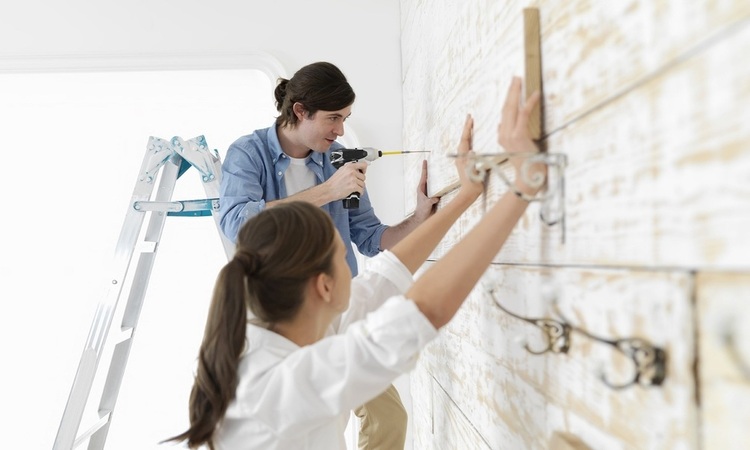
The Growth and Benefits of DIY Home Improvement
In recent years, the DIY movement has shifted from a niche hobby into a dominant lifestyle trend. Access to online tutorials, digital design tools, and user-friendly home improvement products has made renovating more accessible than ever before.
Choosing the DIY route offers several key advantages:
- Substantial Cost Savings: Labor costs often make up half or more of a professional renovation quote. Doing the work yourself frees up budget, allowing you to invest in higher-quality materials, better tools, or additional projects.
- Complete Creative Control: When you manage your own project, you retain total authority over every detail, from exact paint swatches and hardware finishes to custom dimensions.
- Skill Acquisition and Empowerment: Learning basic carpentry, painting, tiling, or landscaping equips you with valuable lifelong skills, giving you the confidence to tackle future maintenance and repair tasks independently.
High-Impact DIY Projects for Beginners
If you are new to home improvement, starting with small, manageable tasks helps build confidence without overwhelming your schedule or budget. High-impact beginner projects deliver instant visual gratification with minimal technical complexity:
1. The Magic of Fresh Paint
Painting remains the undisputed king of DIY projects. A fresh coat of paint can instantly brighten a dark room, modernize outdated cabinetry, or create a striking accent wall. To achieve professional-looking results, invest in high-quality painter’s tape, prepare surfaces by cleaning and sanding properly, and apply a suitable primer before painting.
2. Updating Hardware and Fixtures
Swapping out tired cabinet knobs, drawer pulls, door handles, and switch plates is a simple process that requires little more than a screwdriver. Modernizing these minor accents in modern finishes—such as matte black, brushed brass, or satin nickel—can completely alter the feel of a kitchen or bathroom in a single afternoon.
3. Installing Peel-and-Stick Accent Features
Modern adhesive technology has revolutionized DIY design. High-quality peel-and-stick backsplash tiles, temporary wallpapers, and vinyl floor tiles allow you to create stunning visual features without the mess of traditional mortar, grout, or heavy machinery.
Intermediate DIY Projects for the Experienced Crafter
Once you have mastered the basics, taking on intermediate projects allows you to introduce real architectural character and functional custom storage to your home:
- Board and Batten or Trim Walls: Adding decorative woodwork, such as board and batten, wainscoting, or shiplap, turns plain drywall into an elegant architectural feature. With a miter saw, level, construction adhesive, and nail gun, you can elevate an entryway, hallway, or master bedroom.
- Building Floating Shelves: Custom floating shelves provide stylish, functional open storage for kitchens, living rooms, or home offices. Constructing and installing them teaches essential woodworking skills like finding wall studs, levelling, and applying wood stain or sealant.
- Landscaping and Outdoor Pathways: Curb appeal is ideal for DIY experimentation. Laying down stone pathways, building raised garden beds, installing low-voltage solar landscape lighting, or planting perennial flower borders can dramatically enhance your home’s exterior appearance.
Essential Rules for DIY Safety and Success
While DIY projects are exciting, enthusiasm should never compromise safety or structural integrity. Knowing your personal limits is essential to preventing costly mistakes or dangerous injuries.
Always Prioritize Personal Safety
Never shortcut safety protocols. Always wear appropriate Personal Protective Equipment (PPE), including safety goggles, dust masks or respirators, ear protection, and sturdy gloves. Ensure workspace areas are well-ventilated, especially when working with paints, stains, or adhesives.
Know When to DIY and When to Hire a Professional
A crucial part of being a smart DIYer is recognizing tasks that require licensed expertise. As a general rule, leave structural modifications, high-voltage electrical rewiring, major plumbing overhauls, and natural gas line work to certified professionals. Improper work in these areas can cause severe structural damage, create fire hazards, or void your homeowner’s insurance policy.
Measure Twice, Cut Once
Patience and precision are vital. Rushing through measurements or preparation steps leads to wasted materials and crooked finishes. Take time to plan your layout, mark lines clearly, and double-check every calculation before making permanent cuts or drilling holes.
Conclusion
DIY home improvement is an incredible journey that bridges creativity, practicality, and personal pride. By starting with smaller, manageable upgrades and gradually working your way up to more complex projects, you can systematically transform your living space into a tailored sanctuary. Remember that successful DIY work relies on careful planning, proper preparation, high-quality materials, and a firm commitment to safety. Take on your next project with confidence, enjoy the creative process, and take pride in crafting a home that reflects your personal touch.